
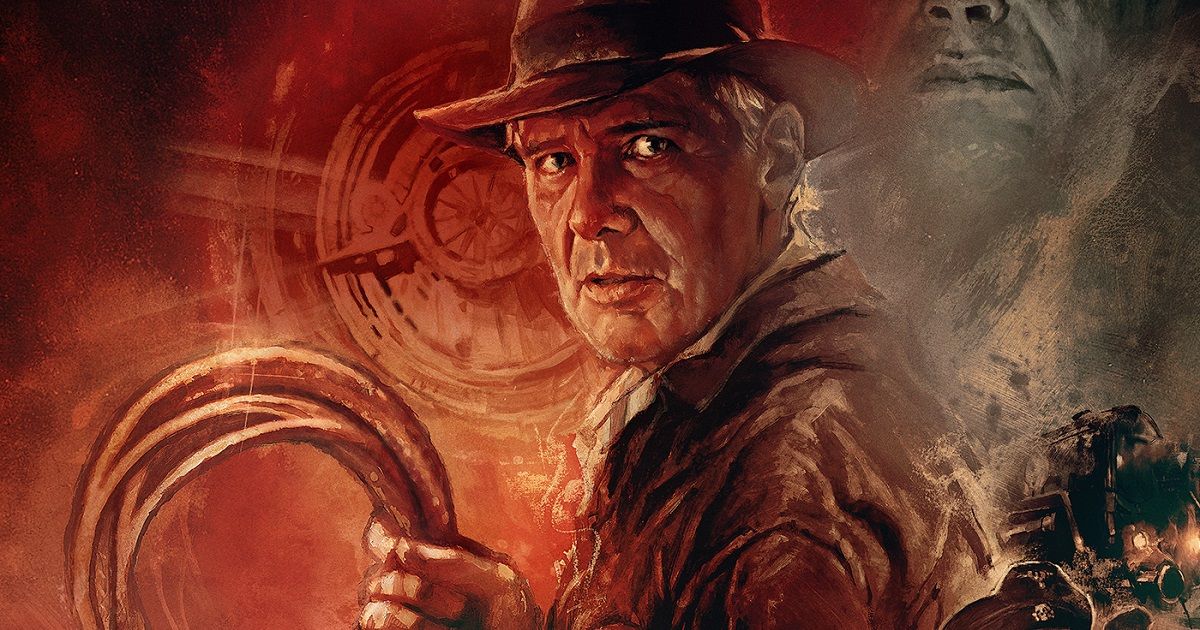
There’s magic to Steven Spielberg’s nerdy action hero. This spark has continued to plague franchise after franchise as they chase that effortless movie star swagger while quietly realizing that their leads just aren’t Harrison Ford. Indiana Jones is a character that just feels like action, the very name conjuring images of jungles and historical artifacts and something we should all take more time to do – punching Nazis. Ford is back for a fifth (and hopefully final) adventure, leading us through an inspiring but sentimental film that serves as the character’s sendoff. Directed by Logan’s James Mangold, this is the first in the franchise without Spielberg behind the camera. And it’s pretty good!

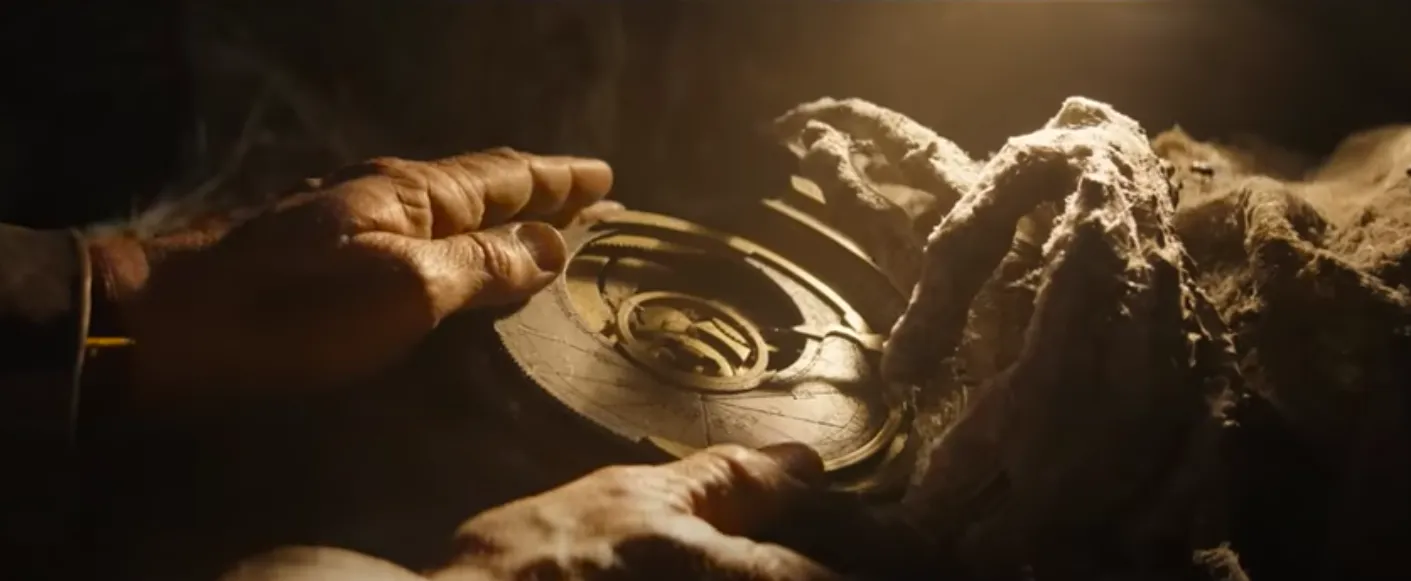
We find our hero in a much more bleak situation at the start. He’s living in New York City, being pushed into retirement from Hunter College. Marion (Karen Allen) is divorcing him after neither truly got over the grief of losing their son, Mutt Williams (an absent Shia LeBeouf), in the Vietnam War. The days of adventure and glory are gone, leaving a drunken Jones to whittle away his twilight years with no true hope. Then his goddaughter, Helena Shaw (Phoebe Waller-Bridge), appears with questions about an artifact that drove her father mad. Soon a race to the Antikythera begins, with Jones and Shaw trying to reach the artifact (well, the other half of it) before Nazi-turned-NASA scientist Jürgen Voller (Mads Mikkelsen) gains it and becomes a godlike figure, possibly even able to travel through time and change the course of history.
All of this sounds incredibly silly and it is. Indiana Jones has never shied away from allowing itself to be cheesy and fun. While this final installment may have a more aged and fearful tone it handles it well, embracing Ford’s age and the tone of 1969 America to paint a vibrant picture of a hero in the winter of his life. If the original trilogy captured the spirit of old war serials and the fourth film the spirit of the sci-fi B-movies that were popular in the 50s then Dial of Destiny serves as a display of the dread America lived under during the 60s. Discussion of nuclear war, the thousands lost in Vietnam, the protestors that flooded the streets and strove for a better world, all of that appears in the film as more than a visual reminder of when we are. It directly affects the lives of the characters and their emotions, which are much more present in this film than in any previous entry.
There are some awkward bits that keep this from reaching the heights of Raiders of the Lost Ark or The Last Crusade. Spielberg shot nearly everything practically in his era while much of the action in Dial of Destiny is quite obviously shot on a sound stage with bright green backdrops. The action feels nearly perfect in some moments, with multiple chase scenes involving horses and auto rickshaws and motorcycles weaving through streets and subways leading to the grisly and often hilarious demise of multiple Nazis. There was the thrill of classic Indiana Jones for a great many moments even though the character is displaying his age. That was Ford’s decision, one that he aggressively defended on set as he wanted audiences to truly see a hero that watched the world move beyond him. In Crystal Skull it felt odd as the film attempted to hide his age and did so poorly. Dial of Destiny fixes this issue to better results despite it requiring some less thrilling sequences.
The cast gets some fun additions and some awkward ones as a side dish. Toby Jones is always a delight, playing awkward but obsessive archaeologist Basil Shaw. Antonio Banderas appears as Renaldo, an old friend of Indy’s that is considered the best diver in Spain. The real conversation lies around Phoebe Waller-Bridge, who brings a lot of the same energy she brought to Fleabag. For much of the film it works, lightening the mood and grounding Indy with someone he can care for. Other bits feel anachronistic, unable to hide that Waller-Bridge isn’t from the 60s and is very much a woman of the modern world. There are only slight adjustments that could fix this issue but, alas, that just isn’t the character we were given.

Friends old and new return to Indy’s world so it’s only fair one returns to ours as well. John Williams takes this final score quite seriously, delivering some of the most rousing music in recent years. His work has always been a vital part of this series and that rings true in the final film. Mangold’s direction isn’t always able to capture the same magic as Spielberg but he’s saved in multiple moments by Williams and his music. There’s nothing too new to the sounds of Dial of Destiny, instead embracing everything that made its predecessors a delight and laying it all out on the table for the final curtain.

I had an absolute blast with this one. Indiana Jones and the Dial of Destiny is a bit wonky and goes a bit longer than it needs to but the sentimentality of it, the way it is able to remain a fun Indy adventure while also discussing the hard truths of aging and watching the world pass us by, are incredibly poignant and beautiful. Some of the big swings feel straight out of the 90s Indy novels by Rob MacGregor and Max McCoy while other sections feel close to a lighthearted Gran Torino. It’s thrilling, funny, and you get to watch a still-charismatic Harrison Ford kill Nazis in all sorts of gruesome and gut-bustingly hilarious ways. It’s absolutely worth your time in the theatre.
Indiana Jones and the Dial of Destiny is currently in theatres.

 WRITE DRUNK; EDIT DRUNK