
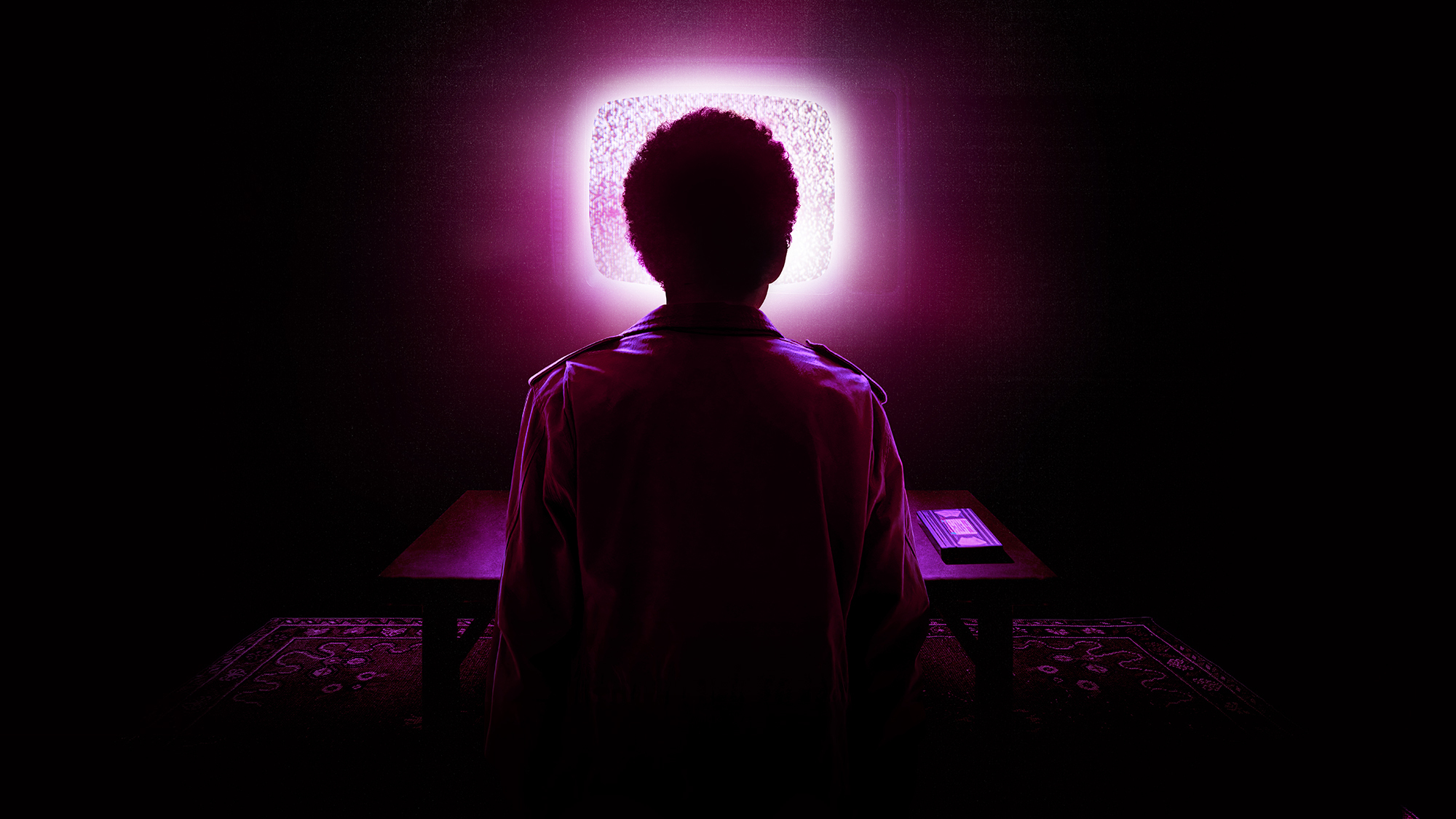
Jane Schoenbrun is a fascinating figure in film culture. They’ve been able to create two films in a row that are full of dread, dreaminess, and personal realization. Their latest, I Saw the TV Glow, is a surreal experience drenched in gender identity revelations (or lack thereof) that poses questions about what causes dysphoric states. Everything revolves around a 90’s television show called The Pink Opaque, which follows two young women connected by pink tattoos as they battle against the evil Mr. Melancholy.
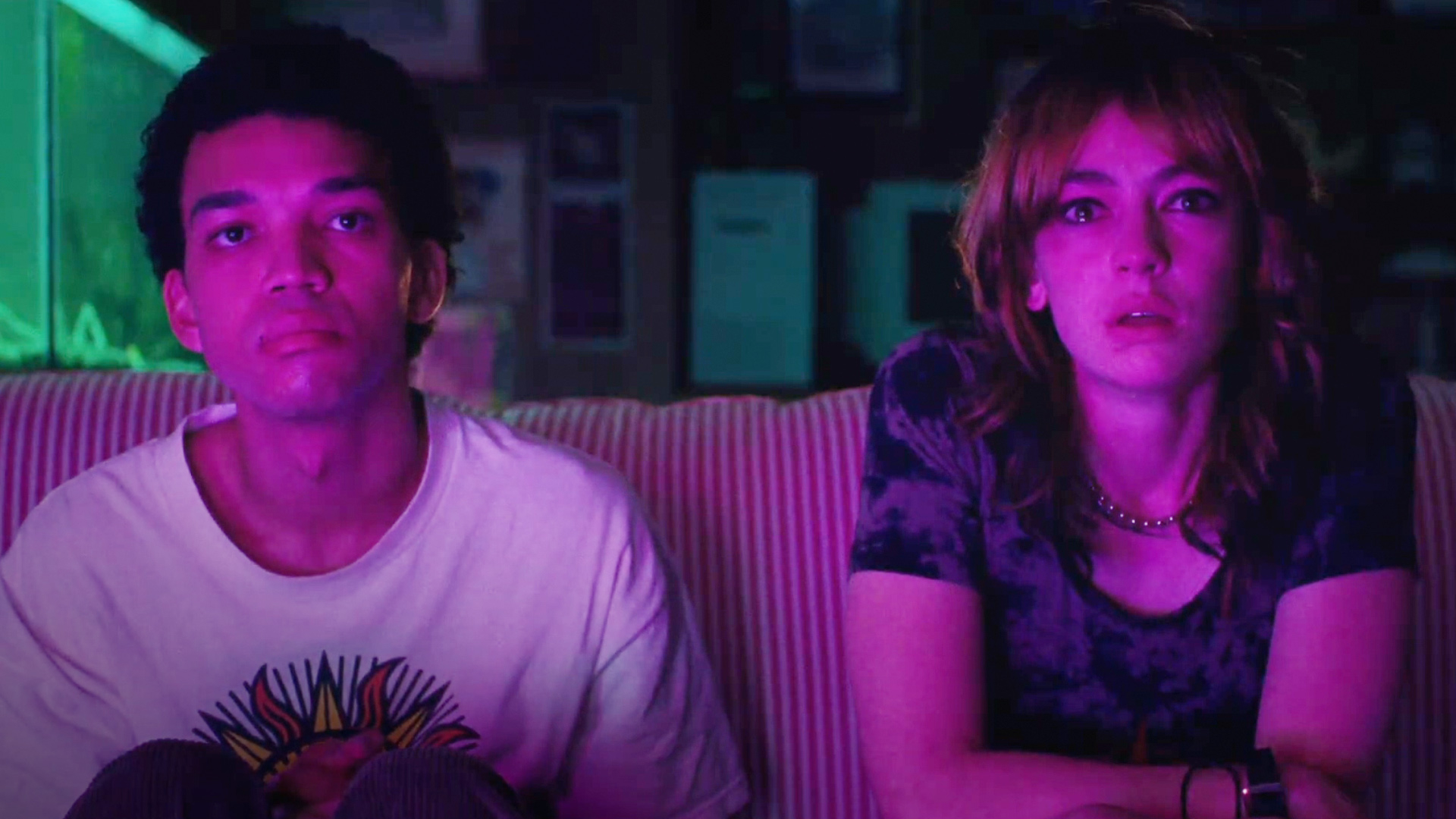
Owen (Detective Pikachu and Dungeons and Dragons: Honor Among Thieves‘s Justice Smith) and Maddy (Bombshell‘s Bridgette Lundy-Paine) happen to be obsessed with The Pink Opaque. They may only watch one episode together, with Owen lying to his father (Fred Durst, yes, that Fred Durst) and mother (Danielle Deadwyler) about staying over at a friend’s so that he can spend time with his friend. This friendship is cemented in this television show, with Maddy leaving tapes for Owen so that he can keep caught up. When life with their stepdad becomes too much to handle Maddy decides to leave, crushing Owen despite her invitation to join. He bails, afraid of taking that leap. Maddy doesn’t reappear until a decade later, potentially having visited The Pink Opaque or not. But that’s not the point. There’s far deeper reality to be found here.
Schoenbrun’s whole oeuvre is rooted in identity and what it means to an individual. The director themselves came out as a transgender individual as their first film wrapped. We Are All Going to the World’s Fair, a pseudo-horror film about identity and reality when viewed through screens and filtered through someone’s psyche, was a beautiful and unsettling look at a young person grappling with who they were through an online challenge spiraling out of control. I Saw the TV Glow continues that theme and blows it up. It’s all been a trans narrative, discussing the role that media and screens play in revealing a person’s inner life to themselves. This leap from micro-budget indie horror to an A24 production has given them the opportunity to explore what they are about in a larger way (again, Fred Durst!?) that remains deeply personal and stunningly emotional.
It’s like this film knows that it will be seen and exactly how bright that television’s light can shine. Sometimes the things we watch tend to watch us back, revealing things you’ve been hiding, even from yourself, and unabashedly pinpointing them with abandon. I know few people that could reasonably claim to be unaffected by the media they are watching and conservative parents are always ready to throw music, film, and television under the bus when their bad apple doesn’t fall far from the tree. But are we transformed by media or simply revealed? It’s an interesting question, one that Schoenbrun doesn’t seem to want to answer on a larger scale. For them, and for Owen and Maddy, the truth lies in the individual experience. Internal revelation and understanding may be triggered by media but it’s been in you the whole time.

While every performer is doing a wonderful job (again, Fred Durst!?) I have to commend Justice Smith for his performance. Incredibly uncomfortable, embarrassed by the restrictions placed on him by his parents, and desperate for connection more than anything else, Smith’s Owen is a very pent-up individual. He’s doing something incredible with his voice that somehow encapsulates the deep, repressed individual that’s locked within. Smith, who came out as queer in 2020, is another piece of Schoenbrun’s clockwork mechanism that feels just right. It’s probably my favorite performance of the year and, despite being a fan of the guy, still feels like it came out of nowhere. He’s always been fun but I genuinely didn’t know he had this in him.
The whole film is elevated by the incredibly weird score by Alex G, utilizing reverberation and digital tones to make the entire film feel caught between joy and horror. It’s helped along by the soundtrack that bops right along, featuring music by yeule, The Weather Station, and Phoebe Bridgers. Utilizing your soundtrack to connect an audience to your film is an underrated and underutilized trick, but Schoenbrun’s song selections weave a narrative of their own to guide you along Owen and Maddy’s journeys of self-discovery. The score and soundtrack are beautifully interlocked throughout the entire film, a gorgeous display of filmmaking that shows just how much of the director truly went into each and every nook and cranny of I Saw the TV Glow.

This really is the most beautiful film of the year so far. I appreciate it for its honesty and unwillingness to compromise, remaining uniquely weird and frightening and lovely and wonderfully queer. It’s my favorite film of the year so far and it’ll be a hard one to top.
If you’re sick of listening to another straight dude talk about this very trans film I recommend reading Emily St. James’s beautiful discussion of the film here.
I Saw the TV Glow is available to rent/buy digitally from all the usual vendors.

 WRITE DRUNK; EDIT DRUNK