

This review is for a film originally viewed at the 22nd Annual Tallgrass Film Festival. WD;ED will update when the film becomes available either in theatres or on VOD.
Finding out that a ton of young Jaime Foxx’s game was playing women Luther Vandross songs over the phone was awesome. And, somehow, quite endearing.
I never got too deep into Luther Vandross, a legendary R&B artist whose crooning set off every pheromone imaginable. When I started really listening to music R&B was on its way out and hip-hop was all the rage, causing me to not really discover some of the best music until later in life. A crime of my own, to be sure, but Luther Vandross still somehow made a presence in my home. He did a couple interviews on Fox News, which was worshipped with as much fervor as the Bible in my childhood home. He’d sang with David Bowie, who was considered too weird for that home so naturally I was sneaking his CDs from the library and jamming to them. Vandross truly entered my life with This is Christmas, his 1995 holiday album. “Black music” wasn’t prioritized in my life growing up.

Luther: Never Too Much, directed by documentarian Dawn Porter (Trapped, Deadlocked: How America Shaped the Supreme Court) and produced by Jamie Foxx (Ray, Django Unchained, Collateral), follows the singer from his days on Sesame Street to the end of his days. So many biopics try this and so many fail miserably, but Porter’s devotion to truly hunting for as much insight into Vandross as a person as possible makes for something special. Interviews with Dionne Warwick, Roberta Flack, and Richard Marx (among a myriad of others) paint the picture of a life full of music, love, and exhaustion.
Vandross’s career was plagued by press inquiries about everything from his weight to his sexuality, often drowning out the music that was the great passion of his life. Porter addresses these public fascinations but manages to keep it from being lewd or derogatory, instead portraying Luther as someone that took it personally in private but in stride in public and who always had the right answer for personal questions. Much of the focus is, instead, turned towards his passion for perfection, his love of great black female vocalists, and the love he inspired in others. It is, in short, a very lovely and moving portrayal of an artist.
Major music industry interviews and sound bytes are fine and dandy but it’s the music that truly shines and Vandross is involved for all of it. The singer has passed on but his voice looms large over the footage, mixing bits of interviews where he quotes lyrics with the actual audio from live performances and recorded tracks. The layering done in the edit bay, which is just damn fine work from Mark Fason, and it elevates already charming or intense moments into something transcendent. A lovely thing to have in what could have otherwise been branded a fluff piece.
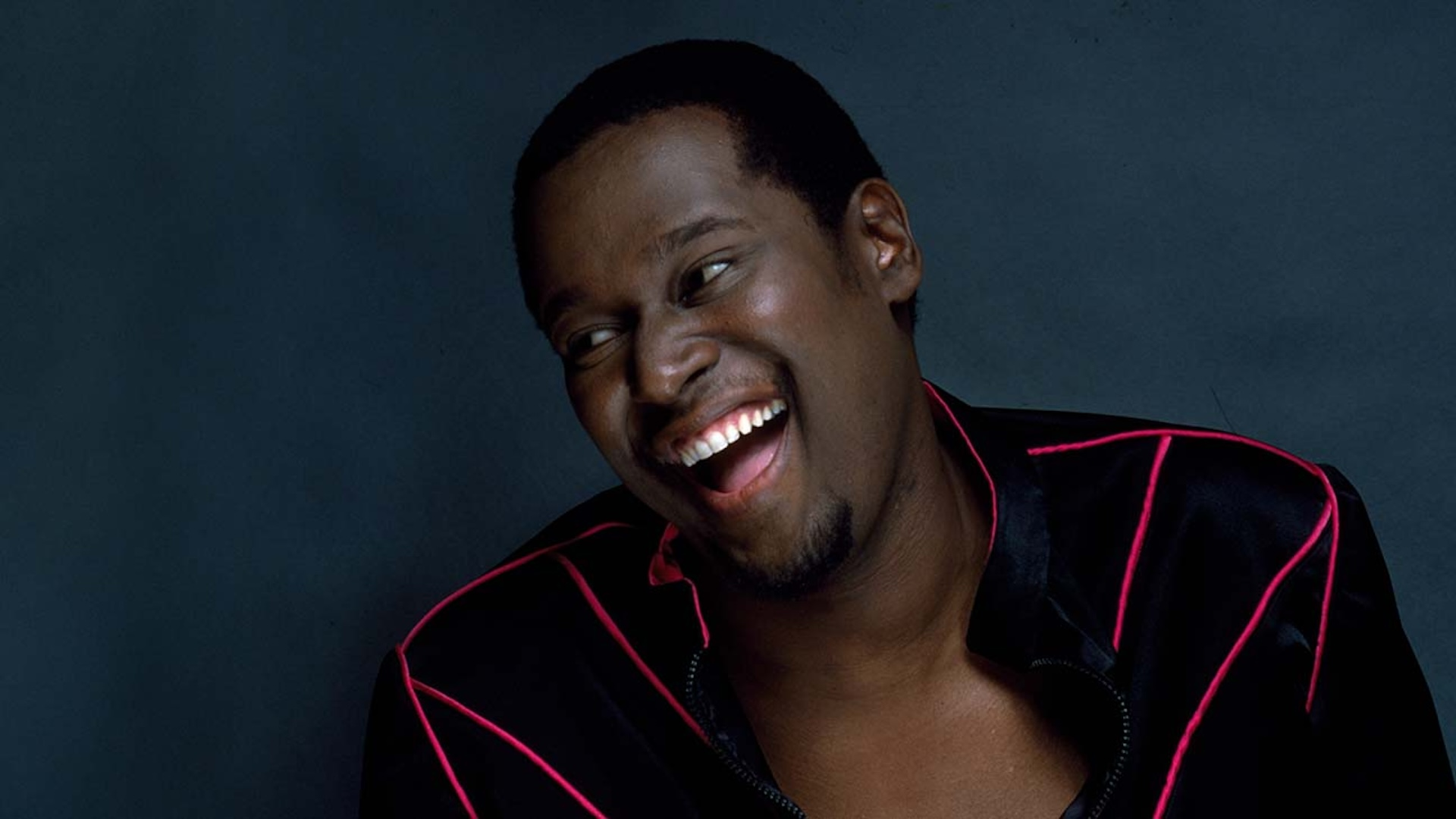
Controversy surrounding Vandross is kept mostly to his weight, which is handled delicately but I wish that it had been a little less of a focus compared to other controversies surrounding the singer. His sexuality is touched on and, with an incredible clip, shut down by Luther Vandross himself with a quote indicating that he would never belittle himself by either confirming or denying. This is then sent off into the ether to focus on his music, which is what the singer would have wanted, but I can’t help but feel that there was more to that discussion left out of the film.
Luther: Never Too Much shone a light on an incredible singer gone before his time. If its goal was to reinvigorate interest in the music it pays off like a broken slot machine. It’s a lovely portrait of a complicated man that had talent seeping from every pore. It’s definitely going to damage my bank account by expanding my vinyl collection.

 WRITE DRUNK; EDIT DRUNK