
This review is for a film originally viewed at the 22nd Annual Tallgrass Film Festival. WD;ED will update when the film becomes available either in theatres or on VOD.
We explore cycles a lot through the lens of film. Cycles of abuse, cycles of violence, cycles of grief. What other cycles might we be ignoring? Octavia Guerra’s new doc, English title I Had a Life, asks if reviewing our cycles and systems meant to help people can truly fix anything.
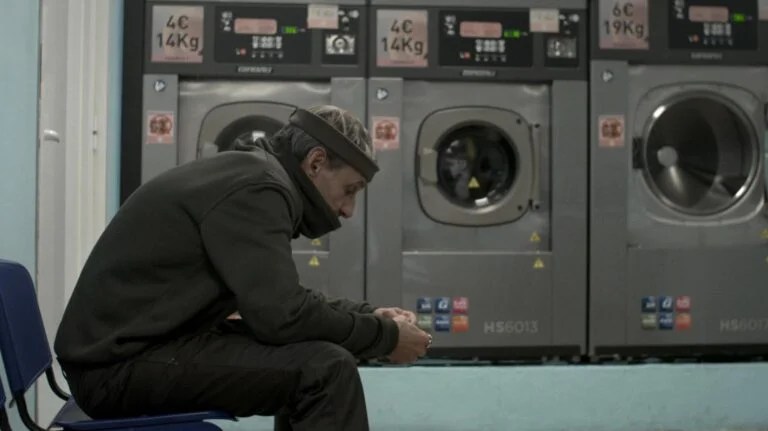
Jesús Mira spent a decade on the streets. His life turned when he entered a shelter but his agency, his ability to feel personal freedom, has been taken away. Told that he’s going to be trained for farm work, he leaves to establish himself as a unique individual instead of succumbing to the system. When this becomes complicated by the COVID-19 pandemic, his struggle to maintain independence and employment while clinging to housing becomes nearly impossible.

Yo Tenía Una Vida‘s tragedy unfolds in waves, starting with hope and ending in dehumanizing despair. Social worker Elena Matamala connects with Jesús for her thesis but objectifies him, removing his personhood so she can gather her data. She’s clearly invested in him but only within the context of the system she is woven into. Jesús’s desire to live, to work, to have a chance, comes from more than just a desire to move day to day until he dies. Jesús wants to truly live and be afforded opportunity due to the work of his own hands, something that the Spanish homeless system doesn’t support. From shelter to hostel to streets, Jesús maintains his frustration with being told that in order to have a roof over his head he’ll have to risk his livelihood. Elena, a worker from within the Valencia homelessness system, does not have an ability to help him outside of the rigid world in which she rose to her position.
There’s very little pleasant in Guerra’s film by design. This isn’t fun, lighthearted, and it definitely won’t have a happy ending. The plight of Jesús isn’t being portrayed as anything people can feel good watching, instead a primal scream in the face of a system endlessly gathering data without making progress and insisting that a blanket program is what we need to help everyone. It’s right up there with “standardized testing” in terms of how worthless it is when the goal is made impossible by the process. The film’s North American premiere on the first day of the 22nd Annual Tallgrass Film Festival brings this discussion to an American audience that could apply this lesson to everything from the prison rehabilitation system to elementary schools. It’s an especially tough question to pose to Wichita natives, who know damn well that our homeless population is trapped within the cycles the film portrays and yet elected a mayor that hand-waves away banal greed by claiming to attempt to pass ordinances without reading them.

Jesús’s lack of trust in the system has opened the door to a lack of trust in virtually everything. He doesn’t like doctors, he doesn’t like shelters or teams, and he’s unwilling to rely on anything but himself because he’s been let down repeatedly. He shares beliefs with many an American that doesn’t believe in healthcare, think that social programs to assist with things like homelessness or food availability are evil, and believe in ideals that have been shown to be horrid but unlike these privileged individuals he got there through repeated collapse of these things due to his situation. It’s hard to watch and a mirror I wasn’t quite ready to grapple with at first but Jesús’s situation is one of the most upsetting reflections I’ve seen in sometime.
There is not a happy ending here. I told you that already, but I feel the need to really drive it home. Octavio Guerra isn’t interested in anything but reality, and the portrait painted is one that feels as devastating in 2024 as it would have when shot (during the pandemic).

 WRITE DRUNK; EDIT DRUNK