
This review is for a film originally viewed at the 22nd Annual Tallgrass Film Festival. WD;ED will update when the film becomes available either in theatres or on VOD.
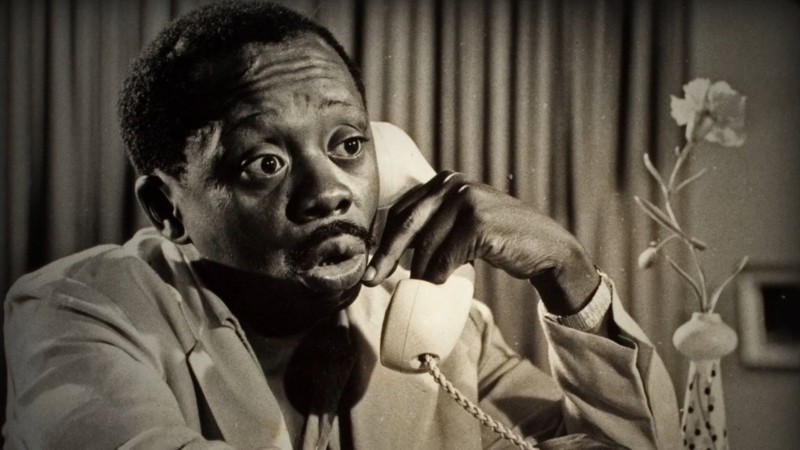
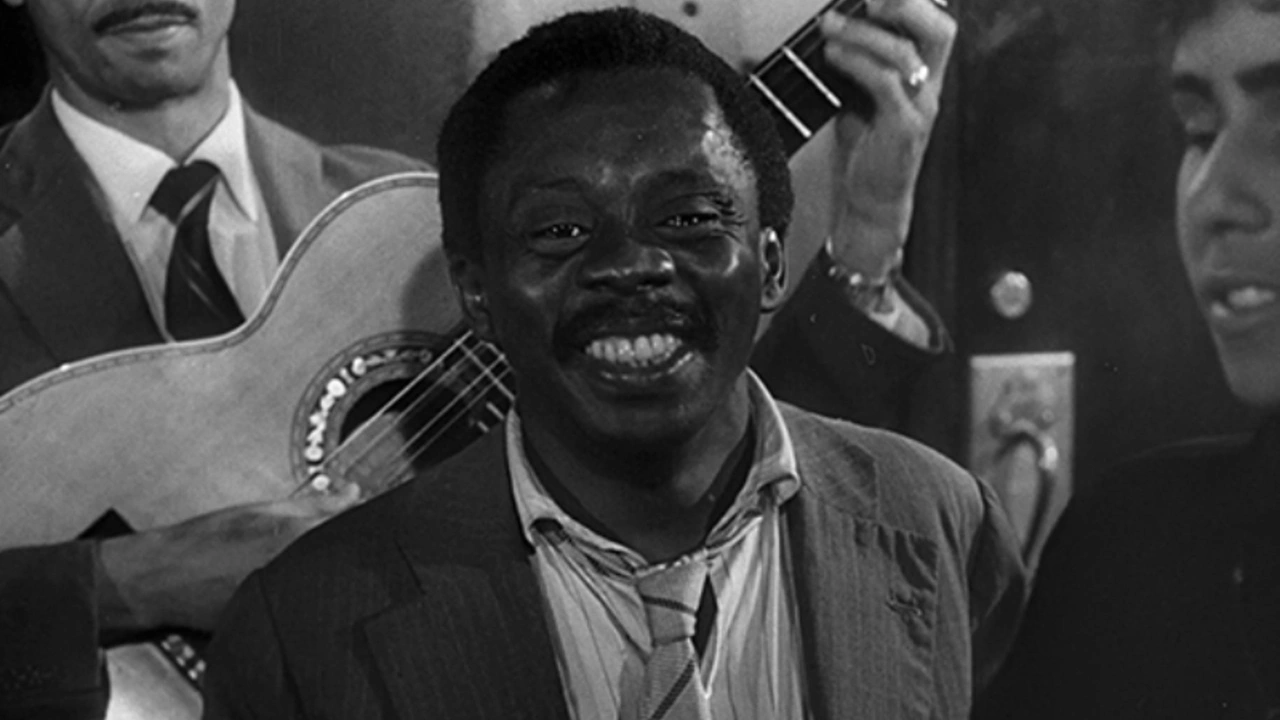
Concise documentaries are a tricky animal. For Lucas Rossi’s Othelo, O Grande, the prospect of popping a life into 82 minutes ultimately proves an uphill battle. Following Brazilian actor Sebastião Bernardes de Souza Prata, known by his stage name of “Grande Otelo,” it moves rapidly between periods of his life while highlighting footage of his on-camera vibrancy. The issue is that this vibrancy is highlighted at the expense of direct focus on some of the most interesting parts of the actor’s life.
Otelo, grandson of slaves and orphaned by his parents, Otelo’s youth is briskly covered before he enters the Brazilian acting life. His trip from adorable child to aging Brazilian sensation is a glossed-over montage laced with humor, heart, and song but not really anything deeper. A ton of the footage restoration is quite impressive, with sequences from Macunaima to Fitzcarraldo. Otelo’s talent is never in-question, but the major miss is in hiding his off-camera personality and private life.
Introducing tragedy is often crucial to a biographical documentary. It can enlist the audience’s sympathy and really let viewers zero in on turning points in the lives of the subjects. It makes it difficult, then, when Othelo, O Grande drops the bombshell tragedy that both ends and begins era’s in Otelo’s life it is quickly dismissed for the next major moment. I wish I could say that I’m being overdramatic about how quickly it’s tossed aside but this is a horrendous moment in someone’s life and it does not seem to make any long-term impact. The only insight this moment allows is to show us that for Otelo, no matter what, the show must go on. Apparently Lucas Rossi felt the same because the film just…goes on.
Editor William Dias has seemingly been given free reign within a brief runtime, which doesn’t allow much story to be told but a lot of lengthy clips of Otelo’s film career to be played. Far more interesting are the clips of his interviews, which lightly pepper the film but are woefully kept minimal in comparison to clips of him signing or dancing.

This editing issue once again glosses over something important: the inherent racism plugged into the Brazilian entertainment industry. Otelo is open about his problems as a black man in a world where that just wasn’t welcome. On occasion the racism became the subject of the actor’s work but it mostly comes out in his interviews. Rossi wants to highlight it but is still trying to adhere to a brief, flighty film that stays entertaining. The result is uneven and derails what seems to be the main subject of the film.
I wanted more of Othelo, O Grande. Its titular subject is a fascinating individual whose life is spotted with tragedy, suppression, tokenism, and even triumph. Rossi’s film gives viewers a taste of the subject’s onscreen life but is unfortunately lacking in depth.

 WRITE DRUNK; EDIT DRUNK